The Reel You Can Hear: Why UK Teams Should Storyboard Sound Before They Shoot
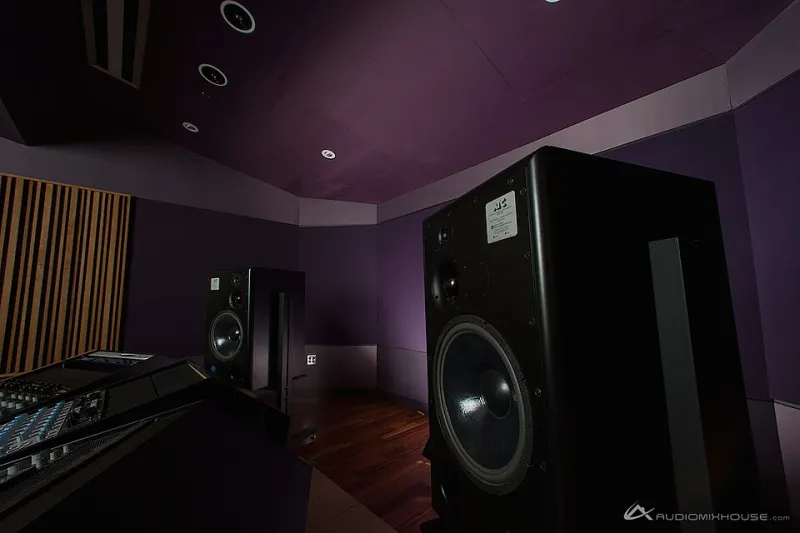
Photo: Audio Mix House from United States, CC BY 2.0, via Wikimedia Commons
Most production meetings start with a shot list. Someone opens a mood board, someone else sketches a opening drone move, and the conversation drifts towards lenses, locations and whether the client wants a sunrise. It is understandable. Pictures are easy to talk about. But the strongest brand films and showreels often begin somewhere else: with a sound. At Oncor Video, the first question on a brand film is not always what we see. It is what we hear. If you storyboard the audio first, the visuals tend to fall into place with more purpose, especially when the budget is tight and the schedule is tighter.
The storyboard should have a soundtrack
An audio-first storyboard is not a music brief tacked onto the end of pre-production. It is a simple document with three columns: timecode, sound and picture. In the sound column, you note the music bed, the voiceover line, the natural sound or the silence. In the picture column, you describe what supports it. That order matters. When you start with sound, you stop asking what a shot looks like and start asking what it does.
A useful exercise is to build a thirty-second radio edit before you build the visual edit. If the story still works with only music, voice and sound effects, you have a strong spine. If it collapses without the visuals, you probably have a montage rather than a film. This is particularly helpful for UK brands working with limited shoot days, because it exposes weak ideas before anyone hires a camera.
Music is a creative choice and a licensing one
Music sets the emotional temperature faster than any grade. A warm, plucked acoustic track says something different from a clipped electronic pulse, even if the shots are identical. But in the UK, music is also a licensing decision that needs to be made early. A track that is perfect for the mood may be impossible to clear for the term, territory and media you need.
Start with the end use in mind. Is the reel going on your website, social channels, a pitch deck, a conference screen or paid media? Does it need to live for six months or three years? Will it be seen outside the UK? Library music and bespoke composition are usually the practical options for brand reels, but even library tracks come with usage terms. If you want a well-known track, budget for the sync licence and leave time for approval. Do not build the entire edit around a song you have not cleared. That is how a showreel ends up sounding like a placeholder forever.
Voiceover: write for breath, not for page
Voiceover is where many brand films lose their rhythm. A script that reads well on paper can sound crowded in the mouth. Write for breath. Keep sentences short. Read the lines out loud before you send them to a voice artist, and mark where you want pauses. A conversational delivery usually beats a grand, theatrical one, particularly for UK audiences who are quick to spot a script being read rather than spoken.
Record a scratch voiceover early, even if it is just you on a phone in a quiet room. Drop it into a rough edit and see whether the pacing works. You will quickly learn whether the opening line needs to be shorter, whether the call to action feels rushed and whether the music is fighting the voice. When you cast the final voice, brief the artist on tone, pace and pronunciation of brand names. A little direction saves a lot of re-recording.
Natural sound is the secret texture
Natural sound is the difference between a reel that feels assembled and one that feels filmed. It does not need to be complicated. Room tone, footsteps, a door closing, a kettle, traffic, a keyboard, a train announcement: these small sounds tell the ear where you are. They also give the mix somewhere to breathe when the music drops out.
On location, record a little more than you think you need. Ask the sound recordist for wild tracks of the environment, and if you are shooting documentary-style, capture clean speech before the atmosphere gets busy. Keep a simple sound library by project type: office, workshop, street, home, hospitality. Over time, that library becomes a genuine production asset. It can rescue a cut when the on-location audio is unusable, and it makes a low-budget film sound more considered.
Mix for small screens and big feelings
Most UK brand reels are watched on phones, often with the sound on but sometimes with captions and a laptop speaker. That reality should shape the mix. Dialogue needs to sit clearly above the music, sound effects should not poke out unless they are meant to, and the whole piece should have headroom. Avoid crushing the dynamics just to make it loud. A mix that feels calm and controlled will usually sound more expensive than one that is simply turned up.
Check the mix on several systems: headphones, a phone speaker, a laptop and, if possible, a proper monitor. Listen for anything that distracts: a harsh sibilance, a boomy room, a music cue that steps on a key line. Subtle ducking under voiceover can help, but it should not pump. If in doubt, give the voice more space and let the music support rather than compete.
Let audio drive the edit
Once the sound bed is in place, the edit becomes a different conversation. You start cutting on sound transitions rather than arbitrary visual beats. A door slam can become a cut point. A breath can create a pause. A music drop can carry you into a new section without a title card. J cuts and L cuts, where sound leads or trails the picture, make a reel feel smoother and more filmic.
This is also where silence earns its place. A second of quiet before a key line can be more cinematic than another layer of music. The temptation with a showreel is to fill every moment, but restraint is a craft choice. If the audio storyboard is clear, you can trust the gaps.
Doing it on a UK budget
Sound-first production does not require a huge budget. A decent library subscription, one good microphone, a quiet room and a composer who understands the brief can go a long way. Reuse cleared tracks across a campaign, build your own sound effects library and record scratch voiceovers in-house. The point is not to spend more on audio; it is to decide earlier. A clear sound plan can save you a second shoot day, a last-minute licence fee or an edit that never quite finds its rhythm.
Pictures may be what people remember, but sound is what makes them feel it. Storyboard the audio first and your winter showreel will arrive with a pulse, not just a pretty frame.