Before the Streetlights Come On: A Daytime Playbook for Cinematic UK Brand Films
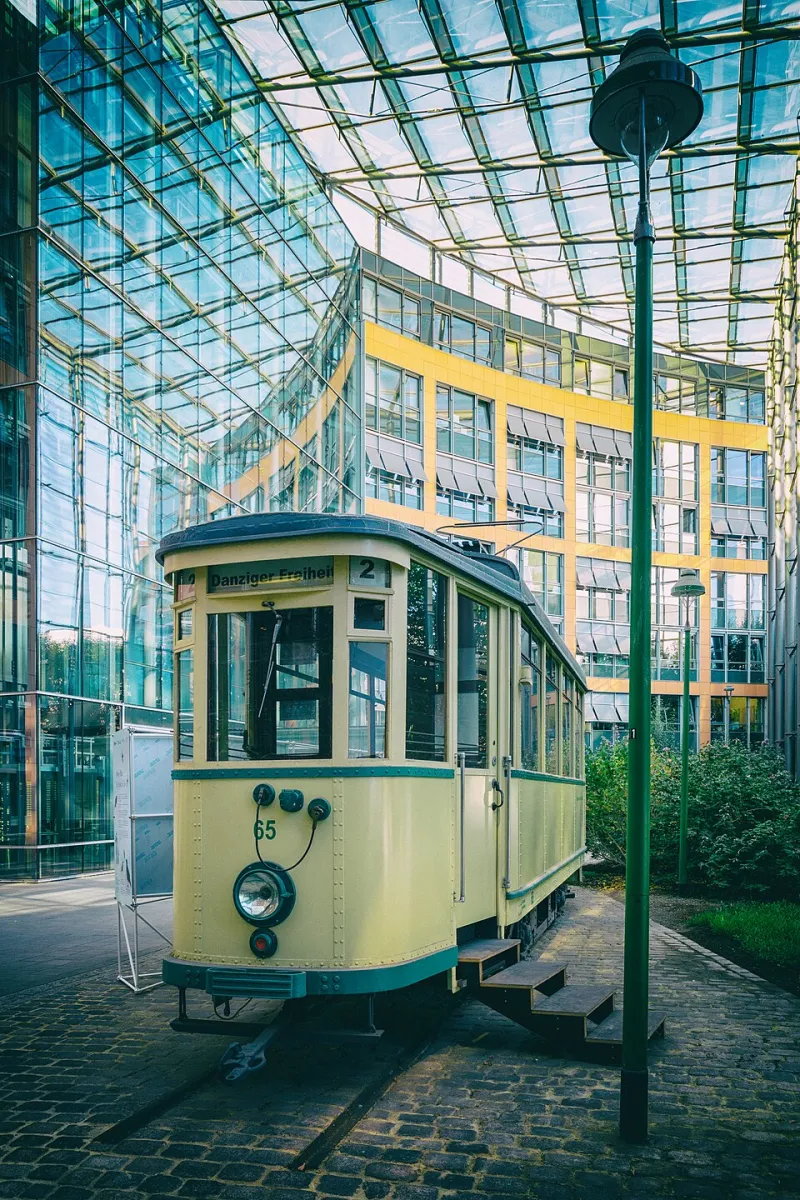
Photo: Dietmar Rabich, CC BY-SA 4.0, via Wikimedia Commons
Most UK brand films are not shot at golden hour. They are shot on a Tuesday, in a meeting room with a north-facing window, while someone next door is on a Teams call and the facilities manager is wondering why a tripod is blocking the fire door. That is not a failure of ambition. It is the reality of office-hours production. The trick is to stop waiting for the light to become dramatic and start shaping the day you actually have.
Start with the room, not the reel
Before you unpack a camera, walk the space with a light meter and a producer's eye. Where does the daylight actually fall? Which windows are doing the heavy lifting? Is there a corner that feels calmer, deeper and more deliberate than the main open-plan floor? In UK offices, the best-looking frame is often not the biggest room. It is the smaller meeting room with a big window, a plain wall and a door you can close.
Move furniture. Not in a wreck-the-place way, but enough to make the frame feel composed. A desk pulled 30cm away from a wall gives you depth. A chair turned slightly off-axis stops the shot looking like a webcam. A plant or a coat stand can hide a socket board. These are small moves, but they are the difference between a location that looks used and a location that looks chosen.
Shape the window before you move the camera
Window light is the cheapest large source you will ever get, but it is not automatically cinematic. Flat, even daylight can make a room feel like a showroom. You want direction. Use a black flag or a piece of duvetyne on one side of the glass to cut the spill. Add a diffusion sheet if the sun is hard. If the day is grey, a white bounce just out of frame can lift the shadow side of a face without making the shot look lit.
Be careful with the view outside. A blown-out window can look like a mistake. Sometimes it is better to expose for the window and let the room fall into shape, then lift the foreground with a practical or a soft panel. Other times, you lean into the glow and let it be the backdrop. The point is to decide. A deliberate blown window looks like style. An accidental one looks like a camera operator who ran out of time.
Make practicals do the heavy lifting
Office practicals are your friends: desk lamps, floor lamps, monitor glow, a kettle light in the kitchen. They give the frame a sense of life and they justify the light in the room. Swap any cold bulbs for warmer ones if you can, or bring a small tungsten lamp and place it just outside the frame. A bit of warmth against grey UK daylight is an easy win.
Do not be afraid to turn the overheads off. Fluorescent ceiling panels are efficient, but they are rarely flattering. Kill them, control the window, add a practical and you will immediately have more contrast and more mood. If the room goes too dark, bring in a soft source at a low level. The goal is not darkness for its own sake. It is shape.
Move with a reason
Cinematic does not mean constant movement. It means movement that feels motivated. A slow slider push towards a person at a desk can feel more expensive than a swirling gimbal move around an empty office. Use a tripod for the master, a slider for the detail, and handheld only when the story wants energy. If you are shooting a brand film about calm confidence, let the camera settle. If it is about pace, let it move.
Block the action before you roll. Where does the talent enter? Where do they sit? What do their hands do? A simple piece of blocking, rehearsed once, will save you ten takes and make the edit cleaner. And shoot a few clean plates: the empty desk, the window without a person, the corridor before anyone walks through. They are cheap insurance in the grade.
Treat sound as part of the look
A rushed daytime shoot often sounds rushed. Air conditioning hums, keyboards clatter, phones buzz, and someone in the corridor is having a loud catch-up. If you cannot control the room, control the take. Record clean wild lines and room tone. Put a lav on the main speaker and get a boom as close as you can. If the building is busy, schedule dialogue-heavy scenes early or late in the day when the floor is quieter.
Sound also affects how expensive the finished film feels. A clean voice with a little natural room around it reads as professional. A voice fighting a fridge compressor reads as a favour. Do not leave audio to the edit and hope for the best.
Design a schedule that respects the building
Office-hours shoots work best when the schedule is built around the building, not against it. Ask when the team takes lunch. Find out when the cleaners arrive. Check if there is a fire drill. Book the quietest room for dialogue and the busiest space for b-roll. Give yourself a buffer between setups. A realistic schedule is more cinematic than a heroic one, because it gives you time to shape the frame instead of just grabbing it.
The 6pm test
At the end of the day, ask yourself a simple question: does this look like a film, or does it look like a record of a meeting? If the answer is the latter, you do not necessarily need a bigger budget. You need a cleaner frame, a controlled window, one motivated move and sound that has been looked after. The office-hours cinematic is not about pretending the sun stayed up. It is about making the ordinary day look intentional. And in the UK, that is a very useful skill.