When the Weather Has Other Ideas: 12 Can-Do Fixes for UK Shoots in 2026
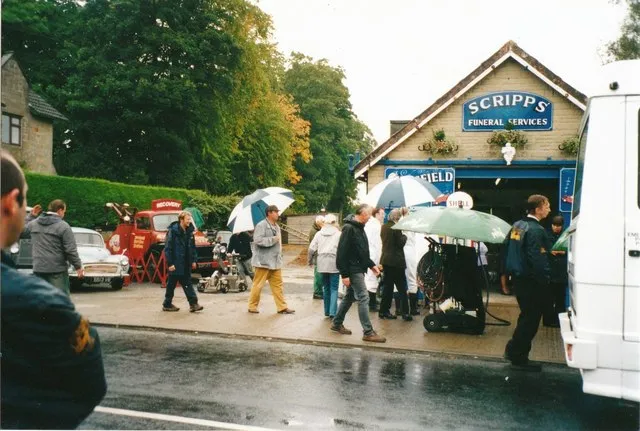
Photo: Eric Rosie, CC BY-SA 2.0, via Wikimedia Commons
A UK call sheet is always a hopeful document. It says 9am, it says golden hour, it says 'weather permitting' in the smallest font known to production. Then the heavens open over Manchester, a council van blocks the only access road in Bristol, and a seagull develops a personal interest in your lav mic. The good news? None of this has to be a disaster. With a bit of can-do thinking, the obstacles that come with shooting in the UK can become part of the film rather than the reason it stalls.
1. Rain arrives early? Make it a character
Sudden downpours are a national tradition. Instead of wrapping, lean into the texture: wet pavements, umbrellas, breath visible in the cold, lights bouncing off puddles. Keep clear shower covers and microfibre cloths within reach, protect the camera with a proper rain jacket rather than a bin bag, and brief the crew on safe cable runs. If the rain is too heavy for the main shot, grab cutaways — hands catching droplets, boots splashing, a cup of tea steaming in a doorway. Weather footage often saves the edit later.
2. Roadworks block the route? Build a plan B into the plan A
Roadworks are less a surprise and more a lifestyle. Before the shoot, check local council roadworks portals and give yourself two access routes. If the works appear anyway, use them: a line of traffic cones, a worker in hi-vis, the rhythm of a drill can add real-world grit. Keep your base close enough to walk gear in, and have a smaller 'guerrilla' kit ready for when the van cannot get within 200 metres. The shot may change; the story does not have to.
3. Rogue seagulls? Cast them as extras
Coastal shoots come with feathered chaos. A seagull stealing a chip on camera can be gold if you are ready for it. Keep long lenses handy, avoid leaving food out, and brief talent not to react unless it is useful. If the birds are noisy, record wild track separately and plan dialogue for coverage. And if one lands centre-frame with perfect comic timing, keep rolling. Some of the best moments are unscripted.
4. Wind ruins the audio? Treat sound as a separate shoot
UK wind is relentless, especially near coastlines and between buildings. Use proper windshields, hide lavs under layers, and record a clean wild track of the location. If dialogue is impossible, shoot the visual and plan a voiceover or ADR. A calm, well-recorded voiceover can be more cinematic than muffled sync sound. Sound is half the film; give it its own contingency.
5. Grey skies flatten the frame? Shape the light
Overcast days are softboxes the size of the county. Use that to your advantage for portraits and product close-ups. Add a bounce or a small LED for sparkle in the eyes, and use negative fill to create contrast. If you want drama, shoot closer, use longer lenses and let the sky become a pale backdrop. Grey does not mean dull; it means you have to decide where the contrast lives.
6. Public interruptions? Turn curiosity into content
People will walk into frame. Often they are curious, sometimes they are helpful, occasionally they are the star of the show. Have a friendly production assistant on hand to explain what is happening and ask for a moment. If someone is determined to be in the shot, consider asking them to be an extra for a take. A relaxed set creates better footage than a tense one.
7. Building-site noise? Use the rhythm
Drills, diggers and deliveries can ruin a quiet scene. If you cannot move, use the noise as texture in a montage or a transition. Record it as wild track and layer it under music. For dialogue, shoot tighter and closer, or move to a quieter corner for coverage. A construction site is also a visual gift: scaffolding, dust, workers, movement. Let the environment do some of the storytelling.
8. Transport delays? Build slack into the schedule
Trains, tubes and motorways have their own ideas. Build 20 per cent slack into travel times and keep the first shot of the day simple, so a late start does not eat the whole morning. Have a backup location within walking distance. If you are stuck on a platform, shoot detail: departure boards, feet, hands, the blur of a passing train. The journey can become a scene.
9. Daylight clocks off early? Embrace the blue hour
Winter light is short, but it is also beautiful. Plan your hero shots for the first two hours and the last two. Use the blue hour for exteriors and cityscapes; the mix of streetlights and deep sky is free production value. For interiors, bring practical lamps and embrace the cosy. A shoot that looks like a UK winter can feel more honest than a fake summer.
10. Mud everywhere? Protect the gear and the floor
Festivals, farms and parks in November are mud baths. Bring ground sheets, cable ramps and boot brushes. Keep spare trousers and socks in the van. If mud gets into the shot, make it part of the story — boots, tyres, footprints. Just keep the camera dry and the crew warm. Comfort is a production tool.
11. Permissions wobble? Have a smaller ask ready
Sometimes the big permission does not come through. Have a smaller, low-impact version of the shot ready: a tripod on the pavement instead of a full crew in the road, a handheld sequence instead of a dolly move. Be polite, be prepared to explain, and always have public liability insurance to hand. A can-do attitude goes a long way, but a flexible shot list goes further.
12. Crew morale dips? Feed the team and keep the energy up
The best fix for a difficult day is a warm brew and a proper lunch. Keep a stash of snacks, spare gloves and a positive voice on the radio. Celebrate the small wins: a shot nailed in the rain, a seagull that missed the lens, a roadwork diversion that led to a better location. Morale is not fluffy; it is what keeps the shoot moving when the weather has other ideas.
UK shoots will always come with a side order of chaos. The trick is to plan for it, laugh at it and shoot through it. Oncor Video's approach is simple: stay curious, stay flexible and remember that the story is always bigger than the obstacle.