The Empty Frame Is a Gift: Five Seconds of Nothing That Rescue a UK Brand Film
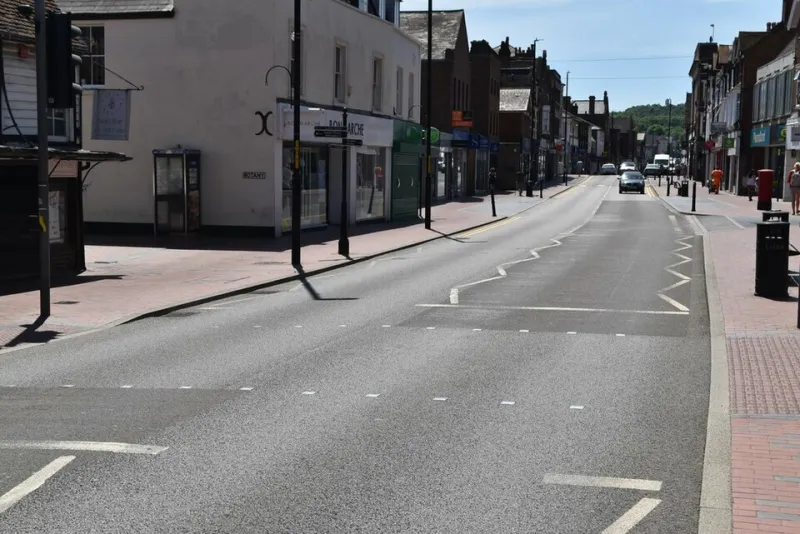
Photo: N Chadwick , CC BY-SA 2.0, via Wikimedia Commons
Every UK shoot has a moment when the day is running away from you. The light is doing something decent, the contributor has finally stopped saying ‘sorry, can I start again?’, and the crew is already half-thinking about the car park. That is exactly when the clean plate gets forgotten. And that is a shame, because five seconds of nothing can be the most useful five seconds you shoot all day.
A clean plate is simple: the same frame you have just filmed, but with nobody in it. Same lens, same height, same exposure, same framing. No presenter, no staff member, no passing Deliveroo rider. Just the space where the story happened. It is not glamorous. It will never make the showreel. But in the edit, it behaves like a tiny emergency exit built into the footage.
The five-second insurance policy
The beauty of a clean plate is that it costs almost nothing. You are already there. The camera is already on the sticks. The exposure has been set for the last twenty minutes. All you need is for everyone to step out of frame, and for someone to roll for five to ten seconds.
On a small UK crew, this is not a paperwork exercise. It is a habit. The director or producer calls ‘plate’ after the main take, the contributor steps aside, the camera operator checks the edges of the frame, and the sound recordist keeps rolling for room tone. Then you move on. The whole thing takes less time than a debate about whether the kettle has boiled.
What you are really shooting is permission. Permission for the editor to cut a beat, to breathe, to cover a blink, to lose a logo, to rescue a shot that looked fine on the monitor and feels awkward two weeks later.
What a plate actually buys you in the edit
Imagine a busy high street outside a café. You have a lovely piece to camera, but a bloke in a bright red jacket wanders through the background at exactly the wrong moment. With a clean plate, your editor can patch him out without rebuilding the entire street. Without one, you either live with him or lose the take.
Imagine an office kitchen with a client logo on the fridge that legal has not cleared. A clean plate of the same angle gives the editor something to paint back in. Imagine a rainy window behind a contributor — the plate lets you tidy a distracting reflection. Imagine a contributor who blinks every third word. A two-second cut to the empty frame, then back, and the sentence survives.
This is not about turning every brand film into a visual effects job. It is about giving the edit options. A clean plate is the difference between ‘we can work with this’ and ‘we will have to reshoot’. In a year when UK budgets are still being asked to do a lot of work, that is worth protecting.
How to brief a small UK crew without a meeting
The clean plate should be part of the shoot language, not an afterthought. On a two- or three-person crew, the easiest system is a call-and-response. After the last usable take of a setup, the director says ‘plate’. The camera operator confirms the frame is clean. The contributor is asked to step to one side — not to leave the building, just out of shot. Someone counts five seconds out loud if the day is chaotic. Then the first assistant or producer marks the card or notes the timecode.
A few practical rules keep it useful. Lock the tripod if you can. Keep the same focal length. Do not suddenly change the white balance because the sun has moved. If the shot was handheld, hold as still as you can and shoot a few extra seconds — a slightly imperfect plate is still better than none. If the camera was moving, consider a clean pass of the same move with the subject absent, but only if it will not eat the schedule. And if there is no time for a full plate, grab a clean-ish frame of the background and label it clearly. Editors are resourceful, but they cannot invent footage that was never shot.
The places it matters most — and the ones where it doesn’t
Clean plates earn their keep in cluttered, real-world UK locations: high streets, shared offices, cafés with chalkboard menus, workshops with branded equipment, anywhere a passer-by can wander into the background. They are also gold in interviews where the contributor is animated and the editor needs a neutral frame to cut against.
They matter less in a locked-off beauty shot of a product, or a wide landscape where nobody is in frame anyway. But even there, a few seconds of empty frame can be useful for a title card or a transition. The rule is not ‘shoot a plate everywhere’. The rule is ‘shoot one wherever a human being is likely to make the edit harder later’.
Make it a habit, not a favour
The clean plate is one of those small, unglamorous craft moves that separates a stressful edit from a calm one. It does not need a bigger kit bag, a longer recce or a client conversation. It needs five seconds and a crew that expects it. Put it on the call sheet. Say it out loud on set. Label the card. Then forget about it until the edit, when it quietly saves the day.
That is the can-do version of insurance: cheap, quick, and captured before anyone has packed the van.