The Ten-Minute Phone Call: Directing Real UK Contributors Without the Performance

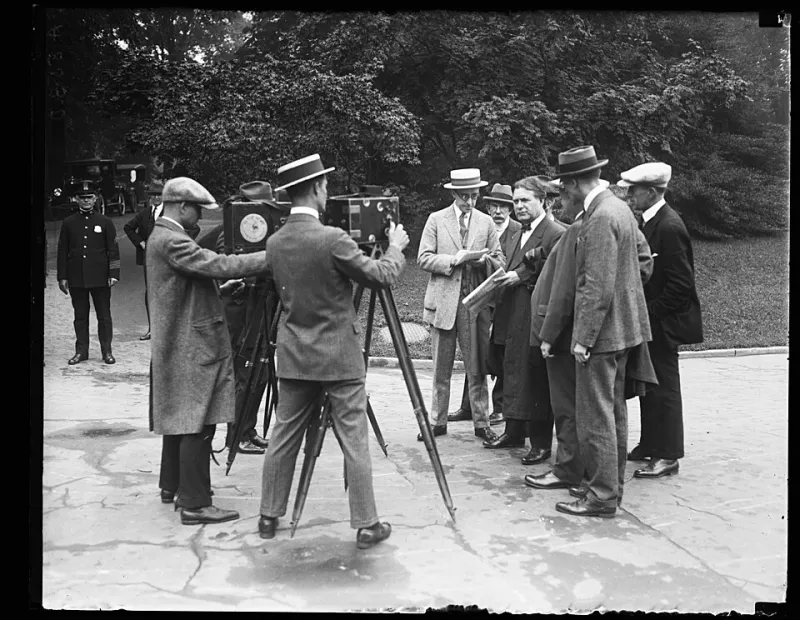
Photo: Kevin Payravi, CC BY-SA 4.0, via Wikimedia Commons
Ask any UK director what slows a shoot down and they will rarely say the weather. It is the contributor who has been handed a release form at the door, pointed at a mark on the floor and told to 'just be natural'. By the time the camera rolls, they are performing a version of themselves they think you want. The edit gets a stranger.
Comfort is not a soft extra. It is a production technique. A settled contributor gives you a clean eyeline, fewer ums, a voice that does not climb, and pauses you can actually use. They also give you the thing every brand film is really after: a sentence that sounds like it came from a person, not a press release. On UK shoots, where the budget often means a small crew and a real location, that technique is worth more than another lens.
The Phone Call Before the Camera
The work starts a week out, with a ten-minute phone call. Not a form. Not an email chain. A call.
Ask what their day looks like. Ask what they are worried about. Ask what they want people to understand about their job, their street, their team. You are not mining for lines. You are finding the shape of the conversation and letting them hear your voice before they meet your lens. Mention that there is no script. Mention that they can stop at any time, for any reason, and that no one will be annoyed. Say it plainly: 'If you do not like a question, say pass. If you want to stop, we stop.' That is consent in a sentence. The release form is paperwork; consent is a tone.
Also ask about the practical stuff. Do they need a break every hour? Is there a room they would rather not be filmed in? Is there a word they hate? On a recent shoot in a Manchester workshop, a contributor mentioned she did not want to be filmed at her desk because it was 'a mess of invoices'. We moved the setup to the bench by the window. She relaxed. The footage looked like her, not like a hostage situation.
On the Day, the First Two Minutes Do the Work
When they arrive, the camera should be off. Or at least pointed at the floor. Introduce the crew by name. Show them where the kettle is. Walk them through the room. Explain what will happen in order: mic, light, a practice question, then the real thing. If they are nervous about their voice, tell them the mic is forgiving. If they are nervous about their hands, give them something to hold — a mug, a tool, a folder. Idle hands on camera look like fear.
A practice take is useful, but do not record it. Ask a question they have already answered on the phone. Let them hear themselves say something ordinary. Then say, 'That was useful. We will do a few more like that.' The word 'useful' does more than 'good'. 'Good' sounds like a judgement. 'Useful' sounds like a job.
Keep the crew small if you can. A duo can make a room feel like a conversation; a crowd makes it feel like an audition. If you are on your own, say so. 'It is just me and this camera. We can take our time.' That sentence has saved more UK brand films than any lighting diagram.
Between Takes: What to Say When the Room Goes Quiet
The silence after a take is where contributors decide whether they trust you. Do not fill it with notes. Do not say 'just be natural' — nobody has ever become natural on command. Ask a small, specific question. 'What did you leave out?' 'What would you tell someone starting that job tomorrow?' 'Is there a version of that answer you would say to a mate?'
If they apologise — and they will, British contributors apologise for breathing — tell them there is nothing to apologise for. If they ask how it is looking, do not lie. 'It is landing' is fine. 'You are doing great' can sound like a line. Offer water. Watch their shoulders. If the shoulders are up by their ears, take a break. A five-minute break is cheaper than a stiff thirty-minute take.
Use plain language about what happens next. 'We will do one more, then we will check the sound.' 'You will see a rough cut before it goes anywhere.' That last one matters. Contributors are not props. They are people who have agreed to be seen. Treat the edit as part of the consent.
When to Stop Rolling
The most important direction is knowing when to stop. If a contributor's voice changes, if they look at the floor, if they say 'I am not sure I should say this', stop. Not with panic. Just stop. 'Let us pause.' Then ask if they want to keep going, skip the question, or take five. The camera can wait. The edit will not miss a take you did not shoot.
This is not therapy — it is craft. You are not there to fix anyone. You are there to make a room where a real sentence can happen. Sometimes that means asking a gentler question. Sometimes it means ending early and shooting the cutaways instead. A shorter interview with a settled contributor beats a longer one with someone counting the seconds.
The Edit Gets the Benefit
When contributors are comfortable, the edit gets choices. You get the laugh after the answer, the pause before the honest bit, the moment they forget the camera is there. You get sound that does not need rescuing and eyelines that do not drift. You get a film that feels like the organisation it is about, not like a training video about the organisation it is about.
So build the phone call into the schedule. Put consent in plain English. Keep the crew small and the kettle on. And when the room goes quiet, do not reach for a line. Reach for a question. The permission slip is not a piece of paper. It is the tone you set before the first clapperboard.