The Single-Sheet Shoot: Why UK Video Briefs Work Better on One Page

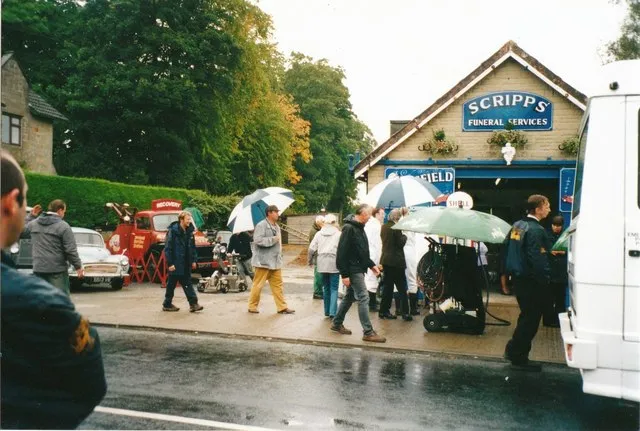
Photo: Sport the Library, CC BY-SA 3.0, via Wikimedia Commons
Most video briefs arrive as a deck. Somewhere around slide 27 there is a slide called The Idea, wedged between a mood board of Scandinavian kitchens and a competitor audit. By the time the shoot starts, three people have approved it, two have forgotten it, and the director is making decisions in a car park. That is not a creative problem. It is a brief problem. A one-page brief does not shrink ambition; it gives ambition somewhere to land. In 2026, with UK teams moving faster and budgets under scrutiny, the single sheet is often the difference between a shoot that feels decisive and one that feels like a committee meeting with a camera.
Why the forty-slide deck gets in the way
Decks are good at showing work. They are less good at making decisions. A typical brand deck might contain a brand pyramid, six audience personas, a tone-of-voice matrix, three competitor reels and a slide that says ‘we want it to feel premium but accessible.’ None of that tells a camera operator where to stand on Tuesday morning.
I have seen briefs go wrong in predictable ways. One UK wellness brand asked for ‘a film that works for everyone’ and then rejected every casting idea because the audience was never narrowed. Another retailer wanted a hero film plus fourteen cutdowns, but no one had agreed who could sign off the first edit. A third sent visual references from three different brands and called it a mood. The shoot was fine. The approvals were not. The edit became a negotiation about what had been meant on slide 18.
The one-page brief is not anti-creative. It is anti-drift. It forces the people paying for the video to say what matters before the crew arrives.
The five boxes that matter
A useful brief can fit on one side of A4. It needs five things, not fifty.
Audience. Name one primary audience. Not ‘SMEs and enterprise and Gen Z and decision-makers.’ One group, with a sentence about what they currently think and what you want them to think after watching. If there is a secondary audience, put it in a nice-to-have line.
One core message. Write it as a sentence a human would say. If the sentence needs a semicolon, it is not one message. The film can have texture, humour and detail, but it cannot have five competing arguments.
Visual references. Three to five references, each with a note about what you like. ‘This one for the pace,’ ‘this one for the interview framing,’ ‘this one for the colour.’ References without notes are just wallpaper. Also say what you do not want. That is often more useful.
Deliverables. List the actual files: a 90-second hero film, three 15-second vertical cutdowns, one silent-loop version for a reception screen. Include aspect ratios, captions, delivery date and where they will live. A film for a website and a film for a conference screen are different jobs.
Sign-off. One name. One backup. Not a committee. The sign-off person should see the brief before the shoot and understand that they are approving the approach, not rewriting the edit line by line. If legal or compliance needs to be involved, bring them in at briefing stage, not after the colour grade.
A one-page template you can steal
PROJECT:
SHOOT WINDOW:
PRIMARY AUDIENCE:
WHAT THEY THINK NOW:
WHAT WE WANT THEM TO THINK:
ONE CORE MESSAGE:
THREE VISUAL REFERENCES (and why):
WHAT WE DO NOT WANT:
DELIVERABLES (format, length, aspect ratio, deadline):
WHERE WILL IT BE SEEN:
SIGN-OFF NAME:
BACKUP SIGN-OFF:
NICE-TO-HAVE IDEAS:
That is it. Add a budget range and a shoot date if you have them. Add a must-avoid list if your brand has one. But keep it to a page. The moment it becomes a document with a contents page, people stop reading it and start interpreting it.
Keeping creative ambition alive without drowning in approvals
The fear with a one-page brief is that it becomes a cage. It should be a springboard. The trick is to separate the non-negotiables from the playground. The brief locks the audience, the message, the deliverables and the sign-off. It does not lock the camera moves, the music, the jokes or the way the presenter walks into frame.
Run a 45-minute brief-building session with the client, the producer and the director. Fill the template live. Argue about the one message until it is actually one message. Then agree a change freeze: once the shoot is booked, the brief can only change if the shoot date or budget changes. That sounds strict, but it is liberating. The crew can make creative choices on the day because they are not waiting for a new deck to appear.
Give the director room for a small experiment slot — one setup, one sequence or one vox-pop question that is not in the brief but fits the message. Approve the approach, not the edit. Ask for one round of consolidated feedback, not seven rounds of individual notes. And keep the one-pager on the call sheet. It is amazing how quickly a shoot sharpens when everyone can see the same sentence on the same page.
A one-page brief will not make a boring idea exciting. It will stop a good idea from being diluted by process. In the UK, where teams are often small and timelines are tight, that is not a luxury. It is craft. Brief less, decide more, and let the shoot get on with it.