The Unpolished Room: Why an Early Rough Cut Should Be a UK Brand Video's Most Useful Meeting
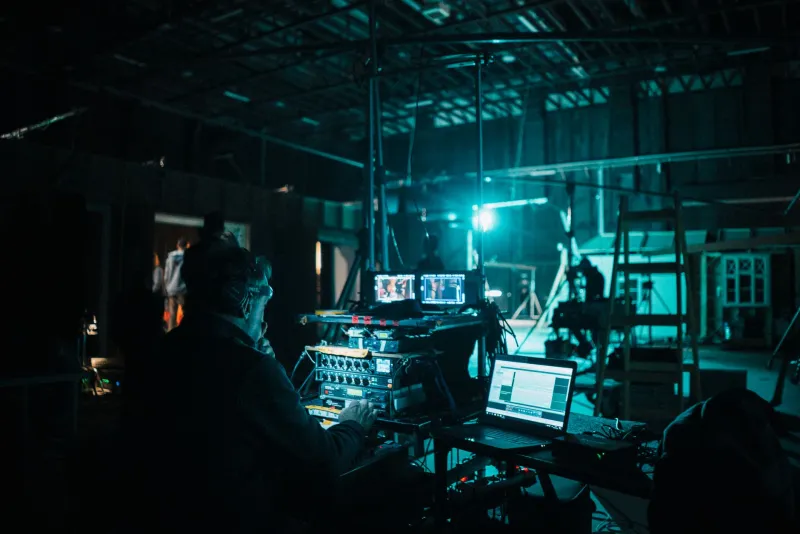
There is a point in every UK brand video when the edit is assembled but not yet dressed. The temp music is a touch too loud. One shot is a placeholder. The voiceover is scratch. Every instinct says keep it hidden until it sparkles. That instinct is usually wrong.
A rough cut is not a smaller version of the final film. It is the film's argument laid bare: the order of ideas, the pace of the story, the moments where the brand appears and the places where it wisely steps back. For UK teams making brand films, showreels and campaign content, that messy middle is not a weakness. It is the most useful meeting you will have.
Why the unpolished version earns its place
When clients only see polished cuts, feedback tends to become about surface. The grade feels cool. The music feels optimistic. That logo sting is lovely. None of that matters if the story is in the wrong order. A rough cut gives everyone permission to talk about structure while changes are still cheap.
Temp sound, visible gaps and burnt-in timecodes are not bugs. They are signposts. They say: this is where we are deciding. This is what we can still move. A producer who can show a messy middle is not being sloppy; they are being confident. They are saying the film is a collaboration, not a magic trick performed behind a curtain.
UK schedules often squeeze the edit at the exact moment everyone is tired. A single early review can save two late ones. Whether the client is a Bristol indie, a Leeds retail brand or a London agency with three stakeholders and a train to catch, the principle holds: decisions made early are cheaper, calmer and better.
Set the room before the screening
Do not send a link and hope for the best. Book 45 to 60 minutes, keep the group small and make the purpose clear. This is a structural review, not a premiere.
A practical agenda:
- Reset the brief — 5 minutes. Restate the audience, the single job of the film and the deliverables. This stops the conversation drifting into a different project.
- Watch once, without notes — 4 to 6 minutes. Ask everyone to watch like a viewer, not a proofreader.
- First reactions — 10 minutes. What landed? Where did attention dip? Capture instincts before analysis takes over.
- Scene-by-scene pass — 20 minutes. Go through the cut in chapters. Talk story, clarity, brand presence and sound. Park colour, titles and fine detail for later.
- Decisions and owners — 10 minutes. Every agreed change needs a name and a date attached.
- Next milestone — 5 minutes. Confirm what the next cut will include and what it will not.
This structure keeps the room can-do. It also protects the edit from the most expensive sentence in video production: while we are here, could we also try something completely different?
Three questions to ask before anyone polishes
Before the team disappears into colour and sound, ask these three questions. They cut through taste and get to the bones of the film.
1. Does the story stand up without the deck? If someone watches this on a phone with no slides, no preamble and no account manager talking over it, do they understand the problem and the promise? If not, the rough cut is doing its job by showing you now.
2. Is the brand in the right places rather than every place? UK brand films often worry about not being seen enough. The rough cut lets you check whether the brand appears as a helpful guide or a nervous guest. Sometimes the strongest move is one fewer logo and one more human moment.
3. What would we lose if we cut 15 seconds? This forces hierarchy. If the answer is nothing important, you have found room to breathe. If the answer is the emotional turn of the film, you know what to protect. Either way, you are making a decision rather than adding another layer of polish to a wobbly structure.
Turn feedback into a cut list, not a mood
Vague feedback creates endless loops. A client saying it feels a bit slow is not being difficult; they are describing a symptom. Your job is to locate it. Use a simple framework: label, locate, limit.
Label the note: story, picture, sound, brand or compliance. Locate it with a timecode or a scene name. Limit it by priority: must fix, should fix, or nice to try if the schedule allows.
Then separate the notes into three buckets. Structural notes change the order or argument. Editorial notes change pacing, shots or lines. Polish notes change colour, graphics and mix. Do not open the polish bucket until the structure is signed off. It sounds obvious. It is also the single best way to avoid repolishing the same wrong film three times.
Ask for one consolidated set of notes from one client lead. If three people send three lists, you will spend more time reconciling than editing. Keep a parking lot for ideas that are good but out of scope. Be clear about what the next cut will address, and equally clear about what it will not.
The can-do finish
Showing the scaffolding is not a lack of craft. It is craft in the right order. The rough cut is where a UK brand video stops being a brief and starts being a film. Invite the client into that room early, run the meeting with a clear agenda, ask the three blunt questions and turn every note into a decision. The final film will not just be more polished. It will be more right — and that is a far better use of everyone's time.