The Duo Rule: How Two-Person UK Crews Make Brand Films Look Bigger Than Their Kit Bag
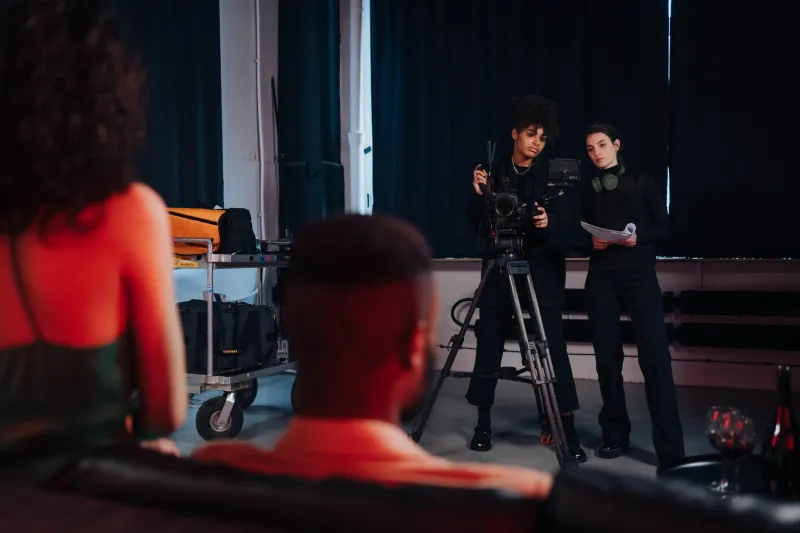
There is a particular kind of UK shoot that arrives with three vans, a production bubble and a catering table. Then there is the other kind: two people, one car, a bags-in-the-boot kit and a contributor who is quietly relieved that nobody has asked them to say the word ‘authentic’ on camera. The second version can still look cinematic. It just needs a different sort of discipline.
At Oncor Video, we like the duo rule. Not because small is automatically beautiful, but because a two-person crew forces the right decisions early. You stop confusing activity with quality. You start asking what the story actually needs, what the light is doing, and which bits of kit will earn their place in the boot.
Start with the shape of the day, not the shot list
With a bigger crew, the schedule can absorb a certain amount of wandering. With two people, the day needs a spine. Before anyone touches a camera, agree on the anchor shots: the three or four images that will make the film feel like itself. That might be a contributor walking through a workshop, a product being handled at a bench, a wide of the building in soft morning light, or a close-up of hands doing the thing the brand is actually about.
Build the day around available light rather than fighting it. In a UK November, that might mean shooting the exterior first because the sun clocks off before the tea break. In summer, it might mean using the long evening for the hero wide and keeping the interiors for the middle of the day. A two-person crew cannot spend an hour resetting a room for a shot that lasts two seconds. So choose locations that give you several looks within a short walk, and block-shoot them while the light and the contributor are both fresh.
Split the roles, then blur them on purpose
The classic two-person split is director-camera and producer-sound. That is a useful starting point, not a religion. One person leads the contributor and the frame. The other leads the schedule, sound, release forms, parking, weather checks and the quiet art of keeping everyone fed and unhurried. But on the day, roles need to blur without becoming a muddle.
Agree on a few handover signals. Who owns the next setup? Who is checking the audio? Who is watching the clock? Who is watching the contributor’s face? A simple phrase such as ‘I have got sound’ or ‘one more take, then we move’ keeps the crew aligned without turning the shoot into a committee. The aim is not to pretend you are a bigger crew. It is to make sure nobody is doing everything badly at the same time.
Kit that earns its place
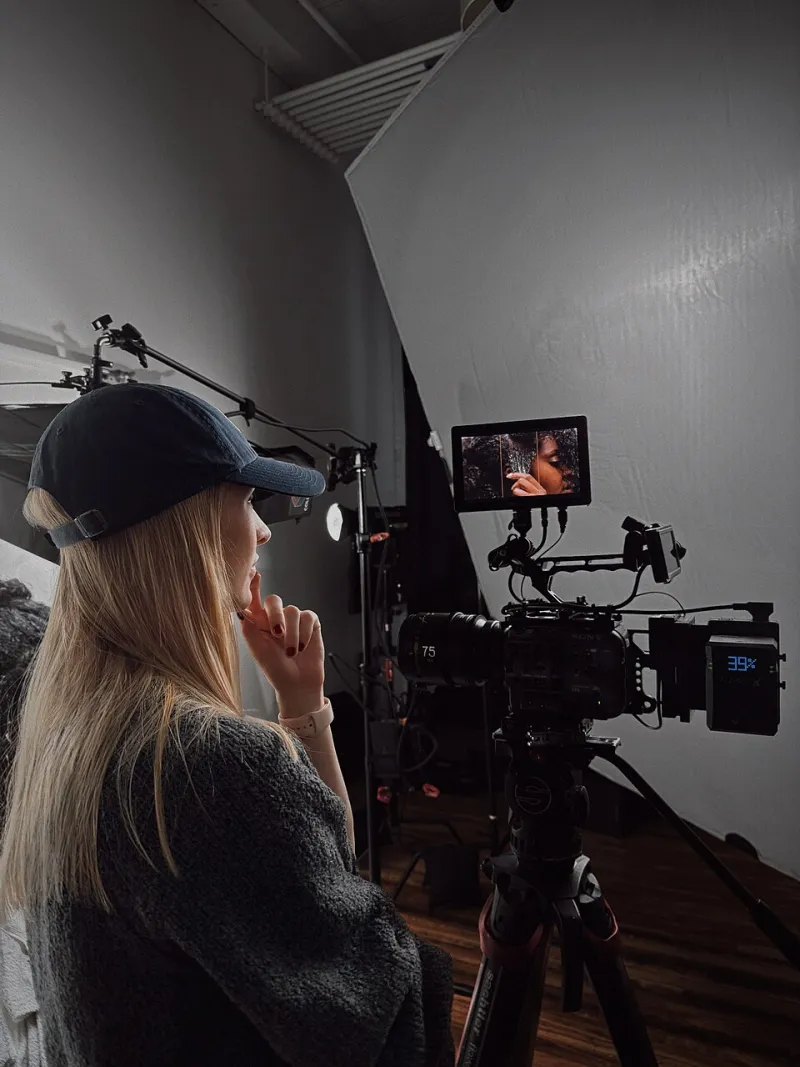
A small-crew film looks big when the kit is chosen for speed, not for show. One capable camera, two lenses that cover the story, a lightweight tripod, a small LED or bounce, a shotgun mic, a couple of lavs and a reliable recorder will get you a long way. Add spare batteries, spare cards, gaffer tape, a cloth and a bag you can carry on your own. That is less glamorous than a trolley full of cases, but it is a lot faster on a narrow pavement outside a Leeds bakery.
Resist the urge to bring the whole toy cupboard. Every extra lens is a decision. Every extra light is a setup. Every extra monitor is another thing to carry while someone holds a door open. The cinematic look is more likely to come from thoughtful framing, consistent sound and a contributor who feels at ease than from a piece of kit that takes twenty minutes to balance.
Directing real people without a production bubble
Here is where a tiny crew has a genuine advantage. Real contributors often relax faster when there are fewer people looking at them. Two pairs of hands can feel like a conversation; twelve can feel like an audition. Use that. Keep the camera moving gently, ask questions rather than issuing instructions, and let the contributor do something with their hands. A person talking while making coffee or sorting stock is usually more watchable than a person pinned against a wall trying to remember a script.
Keep the direction simple. One thought at a time. ‘Walk in, pause by the window, then tell me about the first version of the product.’ That is enough. If they fluff a line, do not turn the location into a panic room. Reset, breathe, go again. The best brand films often keep a small human stumble because it feels true. You are not collecting perfection; you are collecting a version of the person that the audience will trust.
Sound is the second pair of hands
On a two-person shoot, sound cannot be an afterthought. The person not holding the camera is often holding the boom, watching the recorder and listening for the fridge that has suddenly started humming like a tractor. Get room tone at every location. Check lav placement before the contributor sits down. Use headphones. If a plane goes over, wait. If a delivery van reverses into the yard, wait again. UK locations are full of unplanned sound, and a few seconds of patience is cheaper than trying to fix a muddy voice in the edit.
Keep the calm, keep the notes
A small crew lives or dies on the boring bits: parking, permits, access, weather, call sheets and a shared list of what has been shot. Write down the best takes. Note which contributor was wearing which mic. Grab cutaways while the light is still good. The edit starts on location, even if you do not open the software until the next morning.
Two people can absolutely make a brand film that feels widescreen, warm and deliberate. The trick is not to pretend you are a large crew. It is to be a small crew with a clear plan, light kit, good sound and the confidence to keep the day human. That is usually the bit the audience remembers.