After the First Cut: Turning One UK Shoot Into a Working Content Library
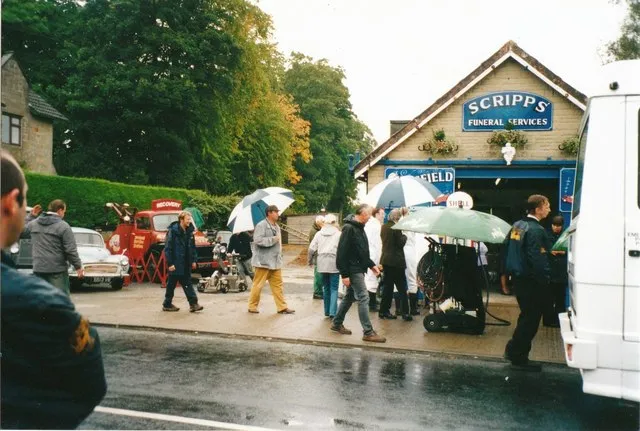
Photo: Caraclements, CC BY-SA 4.0, via Wikimedia Commons
Every shoot arrives with a main film attached. The client has a launch, a website refresh, a conference, a sales push. The edit gets delivered, everyone says thank you, and the footage goes to sleep on a drive. That is a waste. A well-planned shoot is not one asset. It is a small content library waiting to be opened.
The main film is not the whole job
The hero edit is the headline, but it is rarely the only thing a UK brand needs. Sales teams want short clips for LinkedIn. Recruitment wants a thirty-second slice for a job ad. The website needs a loop for the homepage. The founder wants a quote for a newsletter. If you only plan for the hero film, every one of those requests becomes a separate scramble, a separate edit and sometimes a separate shoot.
A better approach is to agree the second-life assets before the camera comes out. That does not mean shooting everything for everyone. It means knowing which moments are likely to travel. A strong line from an interview. A reaction shot. A detail of the product in use. A wide shot that can carry a caption. A vertical framing of the same action. These are not extras. They are part of the brief.
Build a capture list before the call sheet
The capture list is the practical bridge between the main film and the library. It sits alongside the shot list and asks a simple question: what else do we need while we are here? For a brand film, it might include a vertical version of the key interview, a clean product shot, three b-roll sequences with a beginning, middle and end, and a set of stills. For an event, it might include short vox pops, a hero montage, a speaker quote and a set of social crops.
Keep the list short enough to be useful. Ten to fifteen items is plenty for most shoots. Group them by setup so you are not asking the crew to rebuild the room. If you are already lit for the interview, shoot the vertical at the same time. If the product is on the table, grab the stills before it moves. The best second-life assets are the ones that cost almost nothing extra because the crew is already there.
Vertical is not an afterthought
Vertical video is now a normal part of UK brand communication, not a novelty for the social team. But shooting vertical does not mean cropping the wide shot later and hoping for the best. It means framing for the tall screen while you are on set. Give the subject headroom. Keep the key action in the centre. Avoid important details at the edges. If you can, shoot a dedicated vertical take of the main line, even if it is just for the founder's LinkedIn.
The same goes for square and 4:5 crops. A little planning on the day saves a lot of awkward reframing in the edit. Ask yourself: if this frame had to live on a phone, what would I need to protect?
Stills without a second crew
A lot of UK shoots have no stills photographer. That does not mean you cannot leave with stills. A modern camera can pull a clean frame, and a quick portrait session after the interview takes minutes. Shoot a few wider environmental stills, a detail of hands, a portrait against the window. They will be useful for press, internal comms, case studies and the website. Just make sure the client knows they are part of the plan, so nobody is surprised when they appear.
Case-study clips and sales snippets
The most underused asset on many shoots is the case-study clip. A client talking about a problem, a solution and a result is gold for sales, but it often gets buried inside a longer film. Plan for a short, direct version: one question, one answer, one clean soundbite. Add a simple title card and you have a sales-team snippet that can be sent after a meeting or posted on a company page.
Sales teams are not usually waiting for a cinematic masterpiece. They are waiting for something true, short and easy to share. A thirty-second clip with good sound and a clear point will beat a beautiful film that nobody has time to watch.
The post-delivery rollout plan
The delivery day should not be the end of the conversation. Agree a simple rollout plan before the edit is signed off. Week one: hero film and launch post. Week two: vertical cutdown and founder quote. Week four: behind-the-scenes stills and a case-study clip. Week eight: a second social edit or a recruitment snippet. This does not need to be complicated. A one-page schedule is enough.
The point is to keep the library alive. A content library that nobody opens is just a folder. A library with a plan becomes a rhythm: launch, explain, prove, repeat. That rhythm is especially useful for UK brands with small teams, because it turns one shoot into several months of communication without asking for another budget line.
Leave a trail for the next person
Finally, make the library easy to use. Name the files clearly. Put the verticals in their own folder. Add a simple document that says what each clip is, who is in it and where it can be used. If the client has a social team, ask what format they want. If the sales team needs captions, deliver captions. The second-life reel is not just about shooting more. It is about making the footage easy to find, easy to cut and easy to trust. That is how a good shoot keeps working long after the lights have been packed away.